Skip to content

ISO 9001:2015 certified · OEM / ODM motor manufacturing · Zhongshan, China

BLDC & AC motors for HVAC equipment

BLDC Fan Motor Manufacturer for HVAC and Air-Moving Equipment

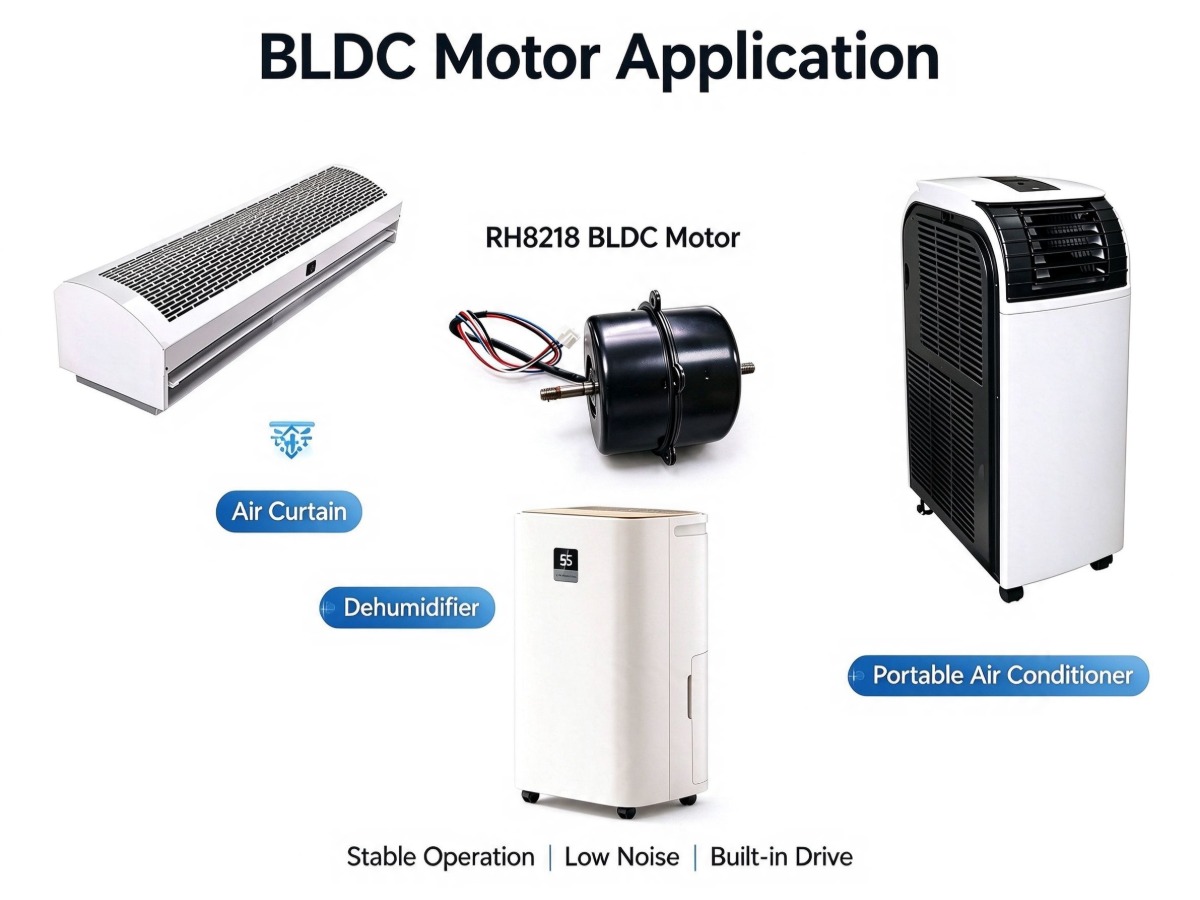
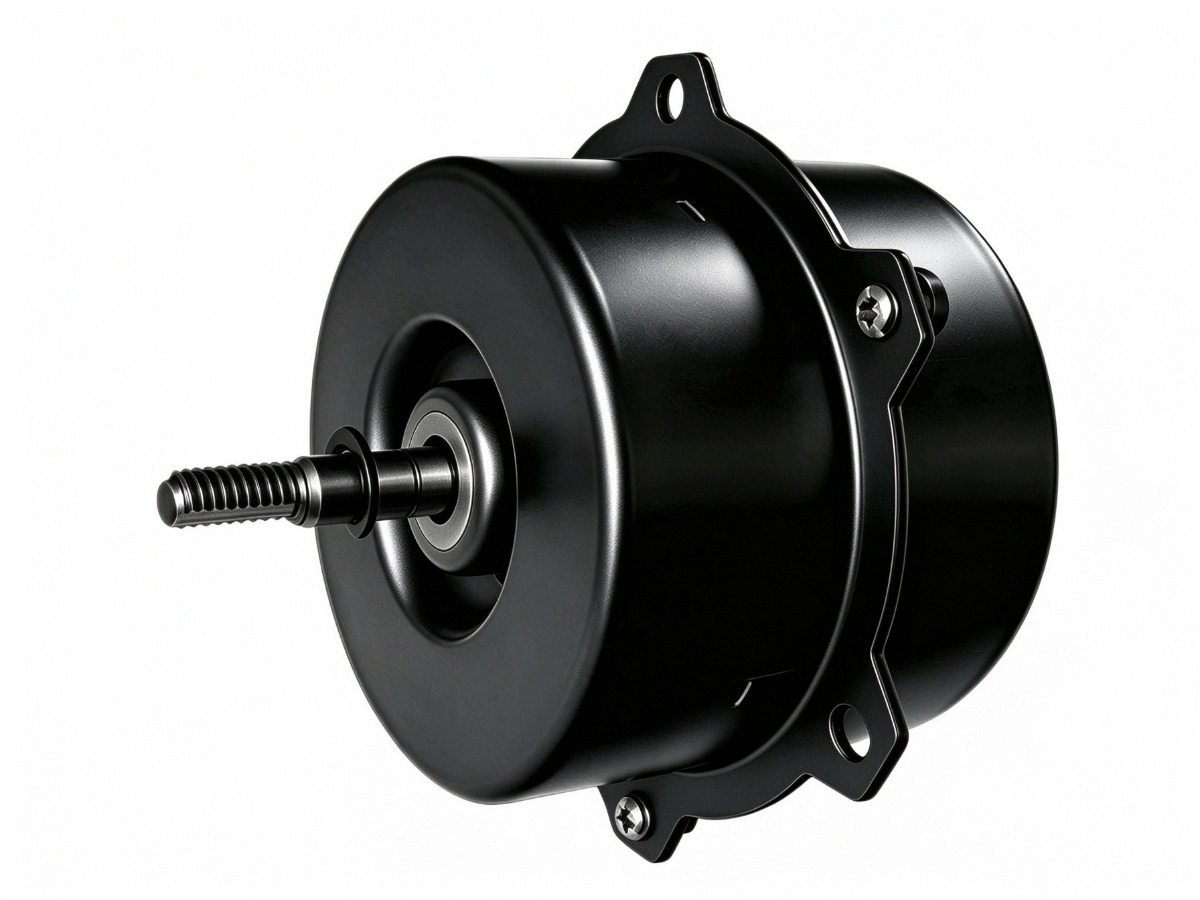
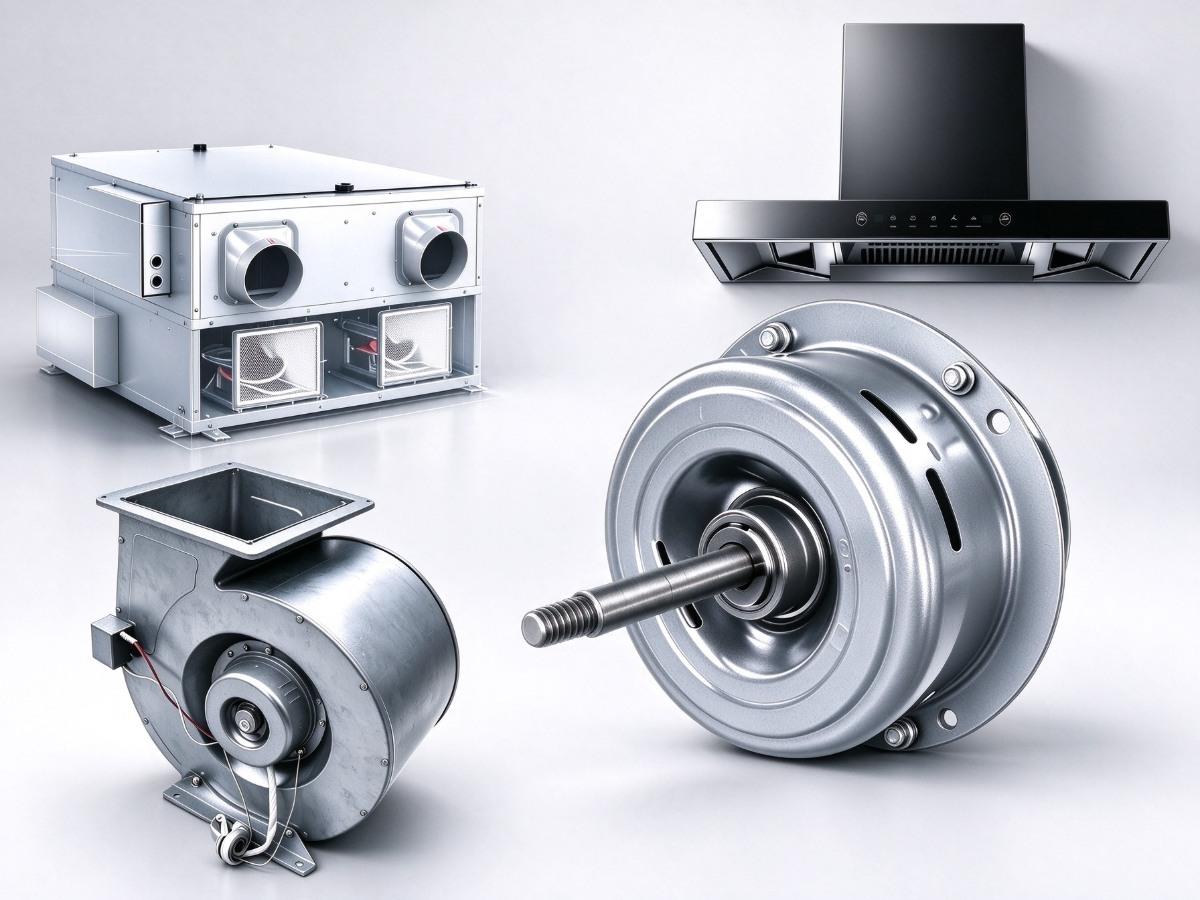
ReputeCo designs and builds brushless DC and AC fan motors for dehumidifiers, air purifiers, exhaust fans, air curtains, range hoods and ventilation units. Integrated drivers, 6–400 W, custom shafts and windings — supplied from our own factory in Zhongshan, China.

Capacity
300K/mo
Power range
6–400 W
Quality
ISO 9001
Supply
OEM / ODM
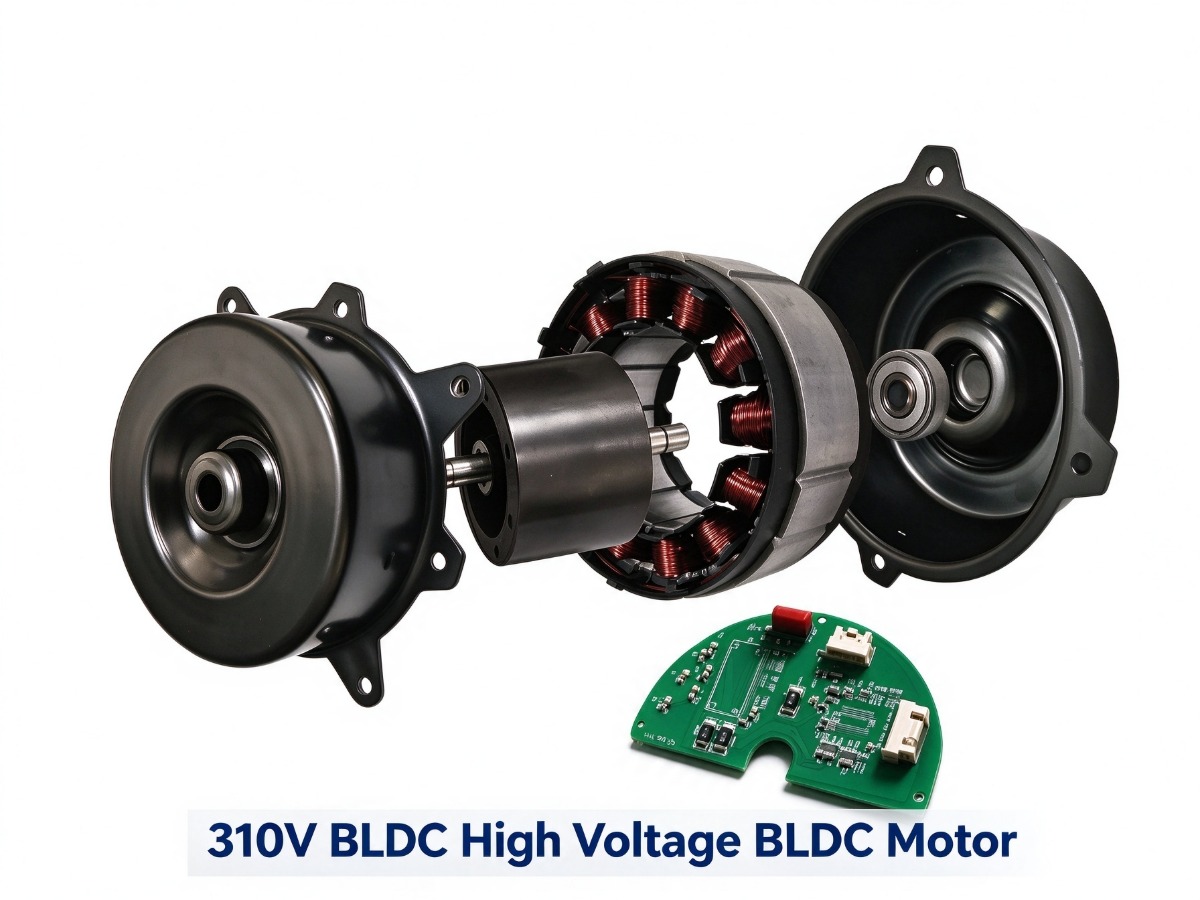
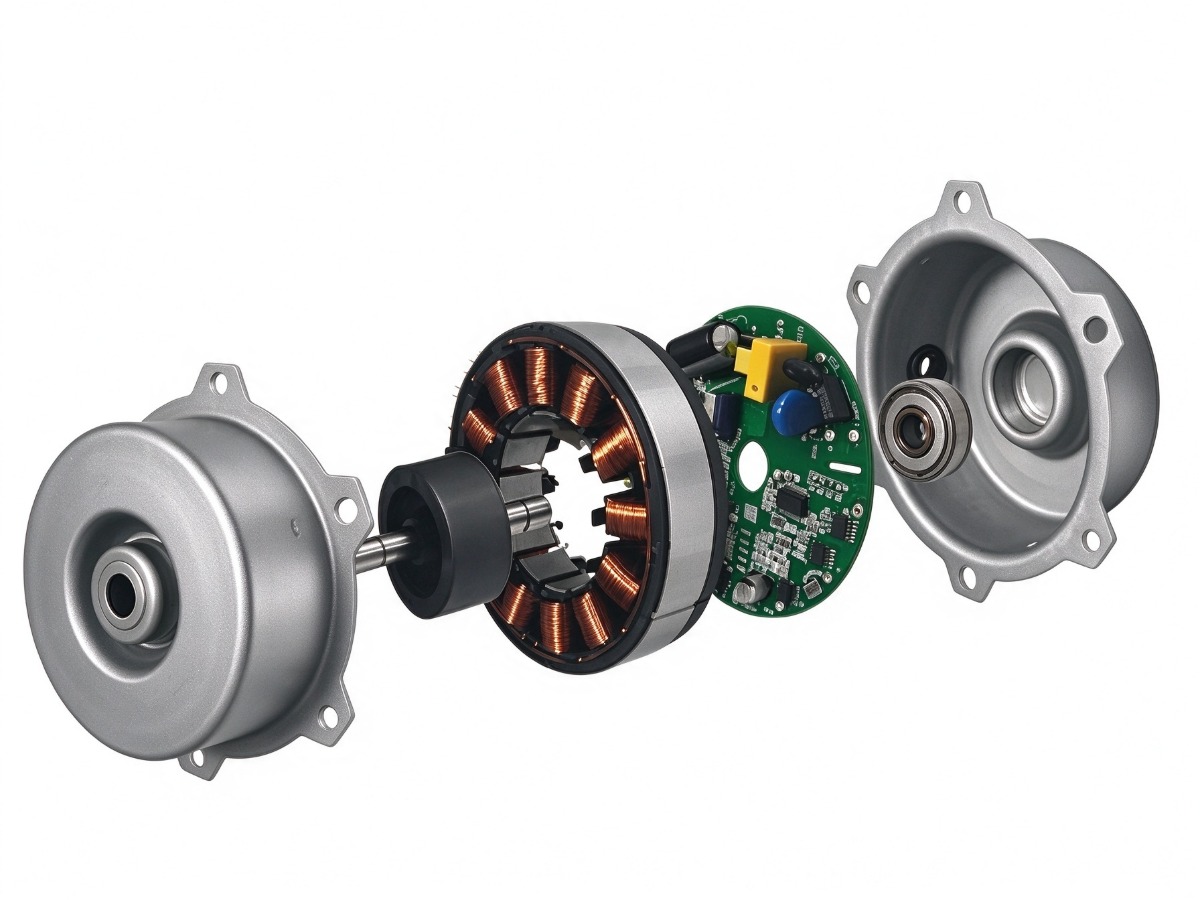
Exploded view of a BLDC fan motor showing rotor, stator, control PCB and housing

BLDC fan motor architecture: interior rotor, concentrated winding stator, integrated control PCB and die-cast housing.

Product range

Three motor platforms, one production plant

Choose the platform that matches your appliance: integrated BLDC for variable speed, 310 V BLDC for high static pressure, or AC capacitor motors for fixed-speed cost control.

All motors

6–48 W · integrated driver

BLDC fan motors

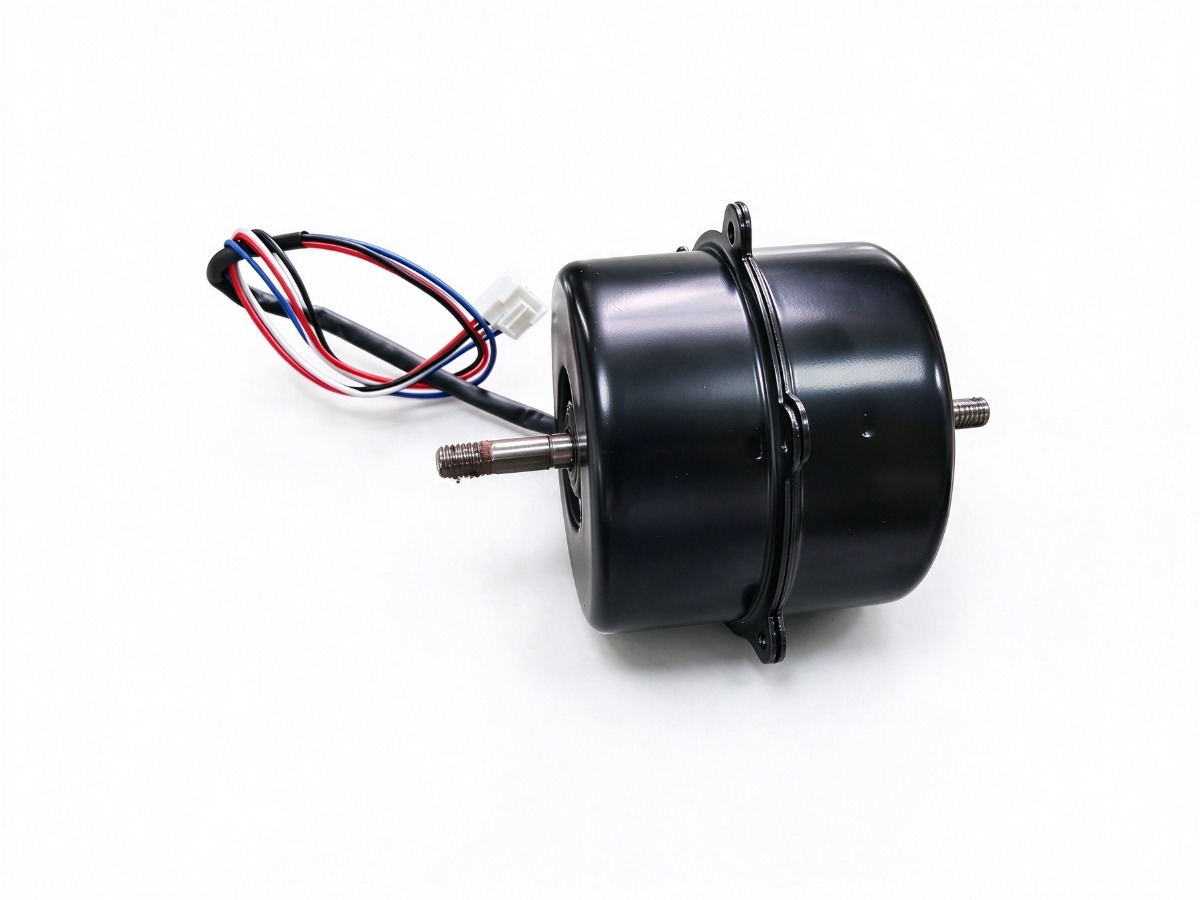
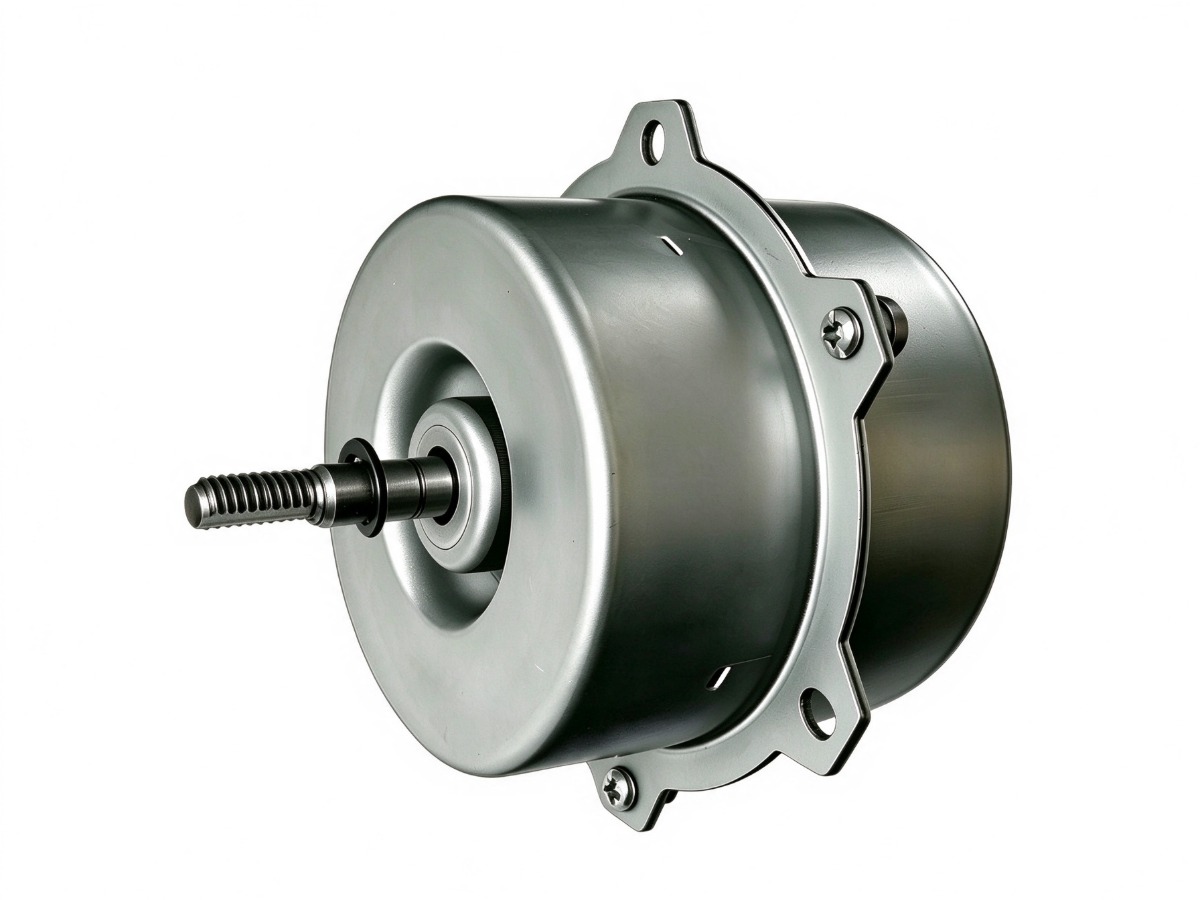
Mains or 12/24 V DC input, built-in power and control board, PWM or analog speed control, 30 dB(A) noise class. For exhaust fans, purifiers and dehumidifiers.

  • · No external driver or power supply
  • · CW/CCW, custom shaft and connector
  • · IP54, class F insulation
Compare BLDC models →

200 W · 94 mm stator

310 V high-voltage BLDC

Runs directly on the rectified 310 V DC bus. Lamination heights from 20 to 35 mm cover low-noise airflow and high static pressure blowers.

  • · PWM standard, VSP 0–10 V optional
  • · HL9435 matched driver board
  • · Range hood, centrifugal blower, HVAC
See 310 V platform →

30–400 W · capacitor run

AC induction motors

Single-phase capacitor motors with copper or high-temperature aluminium windings. Fixed-speed reliability at a competitive BOM cost.

  • · 110 V/60 Hz and 230 V/50 Hz
  • · Square flange, ø8–ø12 shafts
  • · 120 mm stator for range hoods
Compare AC models →

Why ReputeCo

Built for appliance engineers, not for catalogues

Most of our work starts with a drawing, a test target or an existing motor that needs to be cheaper, quieter or controllable. The four points below are what that work usually depends on.

Inside the factory

Driver engineering in-house

Power board, control board and firmware are developed with the motor, so PWM thresholds, protection limits and speed curves are matched — not adapted afterwards.

Customisation without new tooling

Shaft, flange, lead wire, connector, voltage, winding and rotation direction are configurable on existing platforms, which keeps prototype cost and lead time low.

Tested before it ships

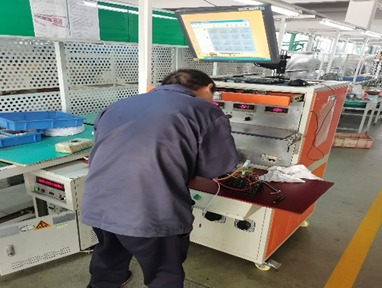
Performance bench, temperature-humidity chamber, dielectric tester, noise screening and XRF material analysis are all in one plant, so test data comes with the lot.

Volume without surprises

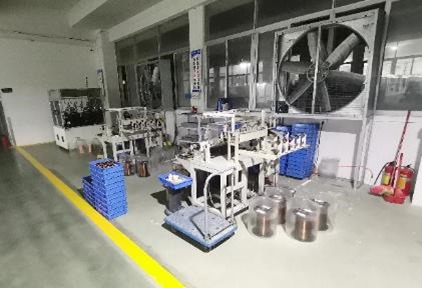
Five assembly lines, ten winding machines and 300,000 pcs/month capacity under ISO 9001:2015, with a dated production plan for every order.

Applications

Motor selection by appliance

Each application has its own duty cycle, air path and acoustic target. These notes start from the appliance, then narrow to a motor platform.

How a custom motor gets built

From specification to mass production

The same four stages apply to a new BLDC platform and to a variant of an existing AC motor. Each stage ends with a document you can approve.

  1. 1

    Specification review

    We check voltage, duty, airflow, static pressure, shaft drawing and acoustic target, then confirm feasibility and the nearest existing platform.

  2. 2

    Prototype and bench validation

    Samples are built with the specified winding and shaft, then tested for speed, power, temperature rise, dielectric strength and noise.

  3. 3

    Pilot run in the appliance

    You validate the motor in the finished unit; we adjust the speed curve, mounting or protection limits before the tooling is frozen.

  4. 4

    Mass production and repeat orders

    Production runs with lot testing and dated delivery plans; drawings, test reports and compliance files are archived per shipment.

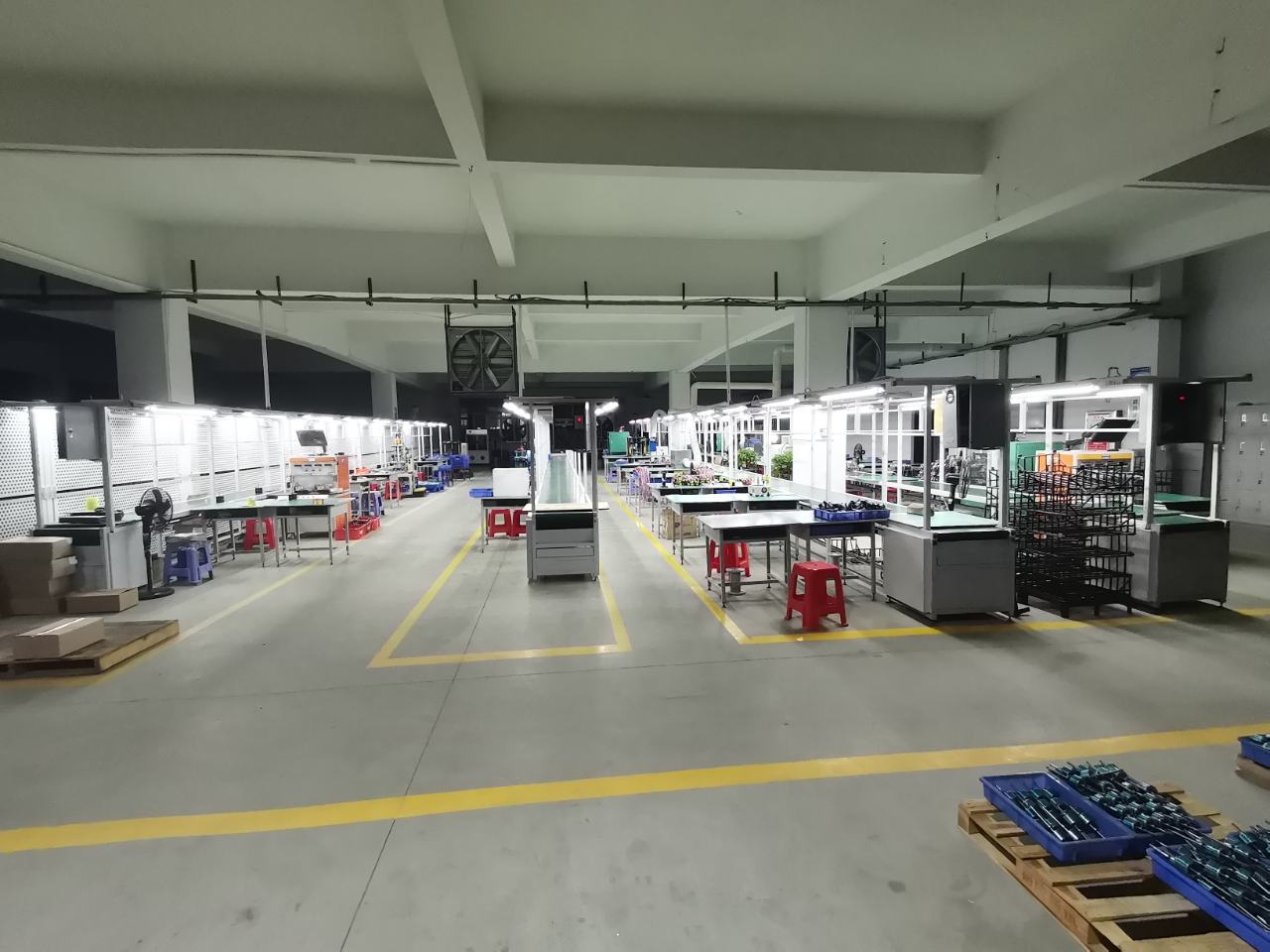
BLDC motor assembly line at the ReputeCo factory

Manufacturing

Assembly lines
5
Winding machines
10
Capacity
300K / month
Quality system
ISO 9001:2015

In-house testing

  • Performance and load bench
  • Temperature-humidity chamber
  • Dielectric and insulation test
  • XRF material screening

Engineering notes

Latest from the motor blog

Selection guides, comparison tables and failure analysis written for equipment designers.

All articles →

Before you ask

The three questions we get most

Full technical and commercial answers are on the FAQ page.

Read all FAQ
Can you build a motor to our specification, not just a catalogue model?
Yes. Voltage, speed, shaft, flange, lead wire, connector and rotation direction are configurable on existing platforms, and new windings or stator stacks can be developed when the volume justifies it. Send a drawing or a sample to start.
Do your BLDC motors need a separate driver board?
Most models are integrated: the power board and control board sit inside the motor housing, so the appliance only needs mains or DC input plus a speed signal. The 310 V platform can be supplied with its matching HL9435 driver board when a separate driver is preferred.
What do you need to quote a motor?
Application, supply voltage and frequency, target power and speed, airflow or static pressure, shaft and mounting drawing, noise target, duty cycle and annual volume. A photo of the motor you use today is often enough for a first proposal.

Send your motor specification

Engineering reply within one business day. Drawings, test data and sample plan come with the quotation.